
5 Long Term Impacts of Childhood Abuse
It is no surprise that our experiences throughout life can impact our mental health in the present day. Our experiences growing up often shape how our minds choose to respond to situations and treat ourselves. Childhood abuse may be understood as but is not limited to, physical abuse, emotional abuse, neglect, and household issues (substance abuse, witnessing events, etc). Our childhood experiences and relationships are not strictly related to our relationships with our parents but to all family members, friends, authority figures, and more. When we explore and process abuse or trauma that may have taken place throughout childhood, it is important to proceed with caution, steadiness, and as much self-acceptance as possible. Childhood abuse and trauma can lead to difficult long-term impacts but does it not define you.
Reactivity (Triggers)
When an individual experiences abuse, which can also be identified as trauma, they can experience long-term effects with reactivity. This can be seen as a way an individual reacts to social and environmental situations. For example, when engaging in a disagreement with another individual, this can feel triggering for an individual who experienced childhood abuse. As a result, they may respond to this argument in similar ways they responded to childhood abuse. This can vary from becoming overly defensive, aggressive, or emotionally shutting down and blaming the self for feeling that they caused an issue. Any moment that may trigger similar situations or feelings to the abuse may cause a reactive moment to occur.
2. Frontal Lobe and Right Hemisphere Delays
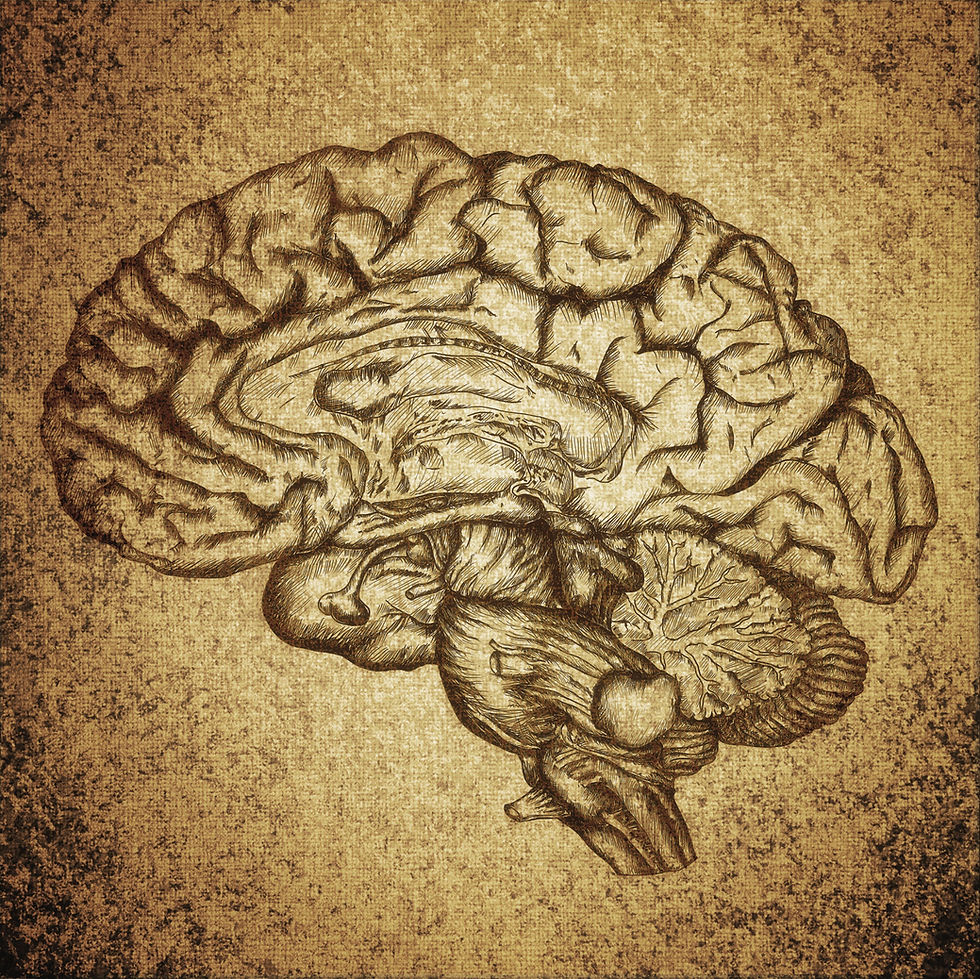
When experiencing childhood abuse or any form of trauma, studies have shown that the frontal lobe and right hemisphere of the brain show delays in development. The frontal lobe is largely responsible for processing long-term thinking and expressive thinking. The right hemisphere has a large role in overall comprehension and emotional and communicative development/function. When these areas are impaired in any capacity, an individual can struggle greatly with emotional awareness, emotional comprehension, and communication, specifically in regard to emotional well-being. The brain and body will naturally begin to rely on left hemispheric skills to over-compensate, in which we may see some individuals who have experienced childhood abuse/trauma rely on logical thinking, clear and detailed communication, and numerical thinking patterns. Conceptualizing and communicating feelings can be more difficult, and as a result, more challenging to engage and/or commit in relationships. It is important to note that neurological development is not strictly reliant on emotional experiences, in which, environmental factors, such as nutrition, physical activity, and more also have a significant role in how the areas of the brain develop.

3. Flight, Fight, or Freeze (Primitive Reflexes)
As we now know the neurological impacts of childhood abuse/trauma, one of the core components of our neurological and emotional functioning is our primitive reflexes. These reflexes can be commonly identified as “baby reflexes,” such as suckling, grasping, startle, and more. These reflexes are intended to dissipate by the age of two but can re-surface due to developmental delays or during times of stress, anxiety, trauma, and overall situations in which we are not in full control of our body, or don’t feel safe. The main reflex that may surface is the startle reflex. When we experience abuse and/or trauma, this may cause the startle reflex to re-surface and remain until the individual can feel safe. However if one is incapable of feeling safe, then their startle response is activated regularly, which can cause negative impacts on overall blood pressure, heart health, and neurological and cognitive functions. This may appear as feeling on edge, irritable, reactive to situations, fatigue, and brain fog. Essentially, the brain is in flight, fight, or freeze mode so often that causes these behavioral patterns to occur.
4. Concerns with Interpersonal Relationships
Anyone who may have experienced childhood abuse/trauma can experience different long-term effects, one common impact issue is with interpersonal relationships. Whether the abuse may have occurred from a parent, family member, friend, or stranger, abuse creates a subconscious message that people cannot be trusted and that you may risk getting hurt once more by getting close to other individuals, no matter who they might be. Distancing and isolating the self may become a defensive mechanism to avoid getting hurt. This may also appear through self-sabotage, in which some individuals may find that they cause conflict and relationships to end (sometimes subconsciously) due to fear of being hurt. These patterns can follow you throughout life if left untreated.
5. Dissociation
Dissociation is a state of emotionally/cognitively detaching from the moment. This may appear in the form of “spacing/zoning out,” which may occur when feeling triggered, or when in a constant state of flight, fight, or freeze. In some cases, some individuals may lose memory of the moment while they are dissociating. This can often be seen as a coping mechanism when feeling overwhelmed, and it can feel difficult to control or be aware of when it is occurring. This can be seen to impact relationships and day-to-day functions, such as work and personal goals.
Although these are possible impacts of childhood abuse/trauma, it does not necessarily mean every individual will experience these impacts. Every person is unique and can respond to childhood abuse differently. One of the most important factors in recovering from childhood abuse is exploring, processing, and practicing an abundance of emotional and bodily awareness. Learning to address childhood abuse/trauma can lead to internal relief and provide the skills to overcome any long-term impacts of childhood abuse/trauma.


Comments